
+- T0rrentinvites - #1 To Buy, Trade, Sell Or Find Free Tracker Invites! (https://t0rrentinvites.com)
+-- Forum: Other Discussions (https://t0rrentinvites.com/forumdisplay.php?fid=30)
+--- Forum: General PC Chat And Help (https://t0rrentinvites.com/forumdisplay.php?fid=33)
+--- Thread: 4 nasty Amazon Prime Day scams to watch out for (/showthread.php?tid=6711)
4 nasty Amazon Prime Day scams to watch out for - Player - 07-12-2025
Don’t let yourself get tricked in the name of a good deal.

Scammers commonly try to take advantage of shoppers hunting for a good deal—and with Amazon Prime Day just around the corner, opportunity is ripe for them to strike again.
Even if you don’t shop at Amazon, enough competing retailers try to muscle in during this decade-long tradition, so you could still fall for a nasty trick. The same applies if you plan to sit out from the buying frenzy. Fraudsters more easily slither around our normal defenses during busy and chaotic times.
So your job is to know how they could strike, and be prepared to avoid their tactics. These three key scams are the top ones to look out for.
Prime Membership scams: A popular scam claims your account has a problem that won’t be resolved until you get in contact. This tactic applies just as equally to any other retailer (e.g. Best Buy, Newegg, Target, etc).
Fake order confirmation scams: With these scams, you’ll receive an email, text, or call about an order you never placed. A variant: Communication that says a problem with your order has occurred.
Fake listing scams: You can encounter phony links for deals through social media, email, and text. They often spoof official sites, with prices too good to be true.
Package delivery scams: You may receive messages (most commonly through text) letting you know about delayed or misdirected packages.

Scammers of course hope you’ll click the links in their email or texts, or that you’ll return their call. Once they have you communicating with them, their goal is to steal something from you.
Bad links can send you to fake product listings that send you junk or cheap imitations. Or the address sends you to an imitation of the official site, in order to steal your login info. Scammers can then take over your account and start buying things on your dime.
During phone calls, scammers skilled at social engineering will try to spark fear, urgency, or other strong emotions in you, so that you end up giving away information that lets them access your shopping account—or worse, your bank info.
How to avoid Amazon Prime Day scams
Two simple tactics will help you avoid shopping scams (and most scams in general).

First: Don’t act immediately on any sudden, strong emotions. Fear and urgency are key feelings that scammers exploit.
Maybe you think you spotted an incredible deal, and you’re both excited and also worried you’ll miss out if you don’t act fast. Perhaps you’re concerned that an issue happened with your order, and you’ll lose the deal. Or you’re stressed because you think your package has been misrouted, and it could now become lost or stolen.
Or you never bought anything at all, and you’re now freaking out a bit that your account could have been compromised.
Second: After taking a breath, verify the situation by logging into your account directly—not through any provided link. Or, if you’ve been called, call them using contact info from the company’s official website. This method lets you check on your account, order, or package status in a safe way.
Bonus tips
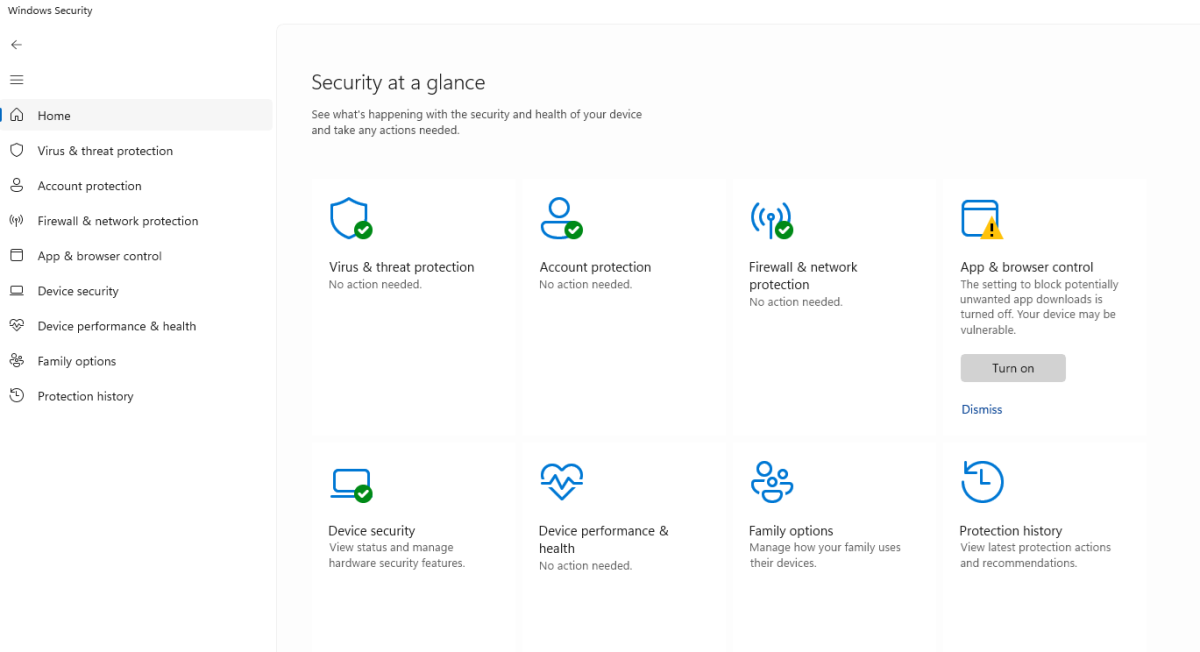
Before any shopping period, make sure your accounts are protected by good passwords (unique, random, and strong). Password managers make this task easy. For an Amazon account, I also recommend adding two-factor authentication too, especially if you have stored payment information. Even if someone captures or guesses your password, that second layer of authentication should stop a scammer from taking over the account.